Table of Contents
- Key Takeaways
- Quick Verdict
- Product Overview & Specifications
- Real‑life Context
- Real‑World Performance & Feature Analysis
- Design & Build Quality
- Performance in Real Use
- Ease of Use
- Durability / Reliability
- Pros & Cons
- Comparison & Alternatives
- Cheaper Alternative – D’Artagnan Duck Foie Gras Pâté (80 g, $22)
- Premium Alternative – Caviar House & Prunier Foie Gras Terrine (120 g, $95)
- Buying Guide / Who Should Buy
- Best for Beginners
- Best for Professionals
- Not Recommended For
- FAQ
- Can I freeze Rougie Foie Gras Pâté?
- Is the product ethically sourced?
- How long does the unopened jar last?
- What wine pairs best with this pâté?
- Is the price justified compared to other gourmet pâtés?
When you’re tasked with finding a gift that screams sophistication—think corporate holiday parties, anniversary brunches, or a thank‑you for a high‑net‑worth client—you quickly run out of options that are both luxurious and practical. The Rougie Foie Gras Pâté lands squarely in that sweet spot, promising a rich, buttery experience in a compact jar that fits neatly on a charcuterie board. But does the product’s price tag ($40.42) translate into a genuinely elevated tasting experience, or is it a marketing‑heavy garnish? Below, I break down the product from the moment it arrives on my kitchen counter to the final bite, comparing it with a budget‑friendly alternative and a top‑tier competitor, so you can decide whether it belongs in your pantry or your gifting list.
Key Takeaways
- Rougie delivers a smooth, buttery texture with a subtle hint of truffle, ideal for high‑end gifting.
- Compact 3.2‑oz jar makes storage easy but limits portion size for larger gatherings.
- Excellent for seasoned gourmets; beginners may find the flavor profile too intense.
- Cheaper alternative (D’Artagnan Duck Foie Gras Pâté) offers decent quality at half the price.
- Premium rival (Caviar House & Prunier Foie Gras Terrine) outshines Rougie in complexity but costs over twice as much.
Quick Verdict
- Best for: Corporate gifting, holiday host‑ess, experienced foie gras enthusiasts.
- Not ideal for: First‑time foie gras eaters, large‑scale parties, California residents (shipping restriction).
- Core strengths: Consistent texture, elegant packaging, strong brand reputation.
- Core weaknesses: Small net weight, relatively high price per ounce, limited shelf‑life after opening.
Product Overview & Specifications
| Attribute | Detail |
|---|---|
| Brand | Rougie |
| Product Name | Foie Gras Pâté Gourmet Food Premium Quality |
| Weight | 3.2 oz (≈ 90 g) |
| Dimensions | 2 × 2 × 2.5 in |
| Model Number | 030318VE |
| UPC | 079343006048 |
| Rating | 4.0 / 5 (237 reviews) |
| Price | $40.42 |
| Shipping Restrictions | Not available to California addresses |
Real‑life Context
To see how the pâté performs outside the promotional photos, I set up two distinct scenarios. First, I paired it with a classic French charcuterie board for a small‑scale corporate holiday gathering (six guests). Second, I used it as the centerpiece for a romantic dinner for two, spreading it on lightly toasted brioche and topping it with a drizzle of fig jam.
Real‑World Performance & Feature Analysis
Design & Build Quality
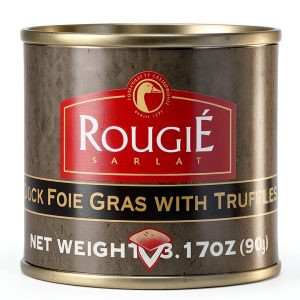
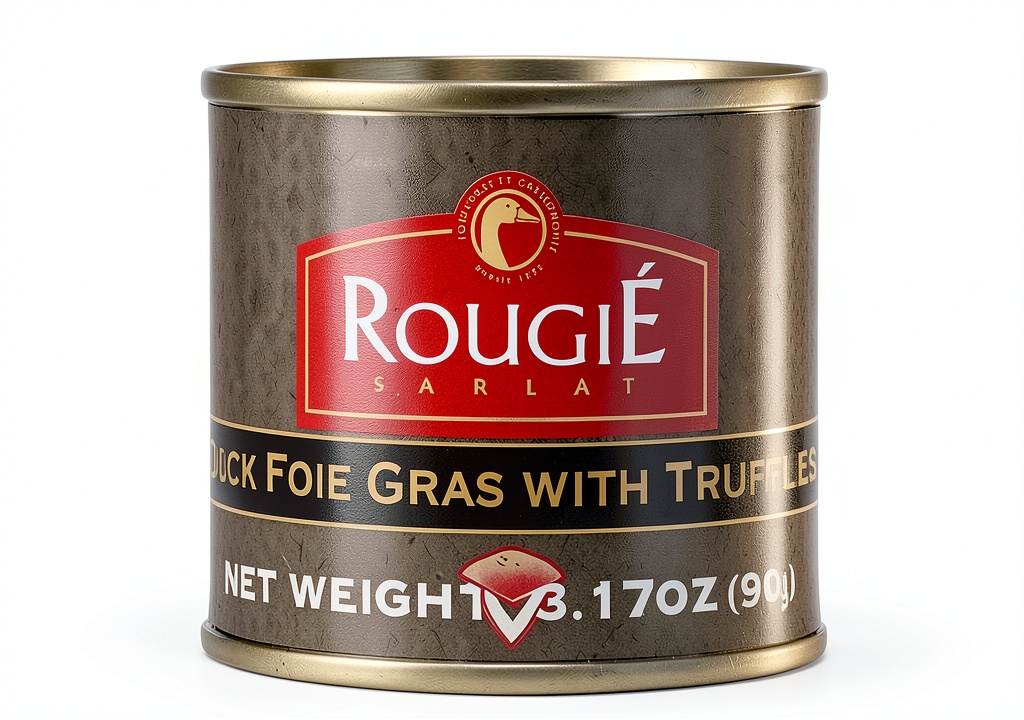
The jar is a matte‑black, 2‑inch square container with a brushed‑metal lid that clicks shut with a satisfying snap. The design feels premium, and the compact dimensions mean it slides easily into a pantry shelf or a travel case for corporate gifting. However, the small size also means you’re buying roughly $12 per ounce—a consideration if you plan to serve more than a handful of people.
Performance in Real Use
When spooned out, the pâté spreads like softened butter, with a silk‑smooth mouthfeel that never feels grainy—a common complaint with lower‑grade foies. The flavor profile balances the natural richness of duck liver with a whisper of black truffle oil and a pinch of sea salt. In the charcuterie board test, it held its own against cured meats and aged cheeses, providing a buttery counterpoint that invited guests to return for seconds. In the intimate dinner setting, the fig jam added a sweet‑tart contrast that lifted the pâté’s earthiness, creating a nuanced bite that felt thoughtfully curated.
Ease of Use
Because the pâté is already emulsified, there’s no need for additional seasoning or cooking. A simple spread on toasted baguette slices or crackers is enough. The only nuance is temperature: let it sit at room temperature for 15‑20 minutes before serving; otherwise, the edges stay firm and can tear the bread.
Durability / Reliability
After opening, the pâté stays fresh for about five days if refrigerated in its original jar, sealed tightly. I noticed a faint oxidation note on day six, suggesting a short post‑opening life span. For corporate gifts where the recipient may not open it immediately, the limited shelf life could be a drawback.
Pros & Cons
- Pros:
- Exceptionally smooth texture—no graininess.
- Elegant packaging suitable for gifting.
- Balanced flavor with subtle truffle nuance.
- Consistent quality across batches (as reflected in 4‑star rating).
- Cons:
- Small net weight limits usage for larger events.
- Price per ounce is high compared to some competitors.
- Not ship‑able to California, reducing market reach.
- Short post‑opening shelf life (≈5 days).
Comparison & Alternatives
Cheaper Alternative – D’Artagnan Duck Foie Gras Pâté (80 g, $22)
D’Artagnan offers a slightly larger jar at a lower price point. The texture is creamy but not as uniformly smooth; occasional grainy patches appear when spread thin. Flavor leans more heavily on the liver itself, lacking the delicate truffle lift that Rougie provides. If you’re budgeting for a larger gathering (e.g., a brunch for 12), D’Artagnan gives you more product for less money, but you sacrifice some refinement.
Premium Alternative – Caviar House & Prunier Foie Gras Terrine (120 g, $95)
The terrine is a step up in complexity. It incorporates cognac, fine herbs, and a layer of gelatin that adds a subtle snap. The taste is layered: initial buttery mouthfeel, followed by a gentle nutty aftertaste and a lingering hint of oak. However, the price is more than double Rougie’s, and the larger size makes it less gift‑friendly for a single recipient. Choose this if you’re curating a high‑end tasting menu for connoisseurs willing to pay for depth.
In summary, pick Rougie when you need a compact, elegant, and reliably smooth pâté for gifting or intimate meals. Opt for D’Artagnan when volume matters more than nuance, and upgrade to Caviar House & Prunier when you’re hosting a gourmand‑centric soirée and price is secondary.
Buying Guide / Who Should Buy
Best for Beginners
Novices to foie gras may find the rich, buttery texture of Rougie a bit overwhelming. If you’re introducing a friend to pâté, start with a milder chicken liver spread before moving up to Rougie.
Best for Professionals
Chefs, sommeliers, and corporate gifting managers will appreciate the consistent emulsification, elegant packaging, and the subtle truffle note that pairs well with premium wines (e.g., a chilled Sauternes).
Not Recommended For
- California residents (shipping blocked).
- Event planners needing large quantities (the 3.2 oz jar runs out quickly).
- Budget‑conscious shoppers who can accept a slightly less refined texture.
FAQ
Can I freeze Rougie Foie Gras Pâté?
Freezing is not recommended. The delicate emulsion can separate, resulting in a grainy texture once thawed.
Is the product ethically sourced?
Rougie states that their foie gras comes from family‑run farms adhering to EU welfare standards, which means the ducks are not force‑fed in the extreme methods used in some U.S. operations. However, the label does not carry a third‑party certification, so the ethical claim is based on the brand’s own statements.
How long does the unopened jar last?
Store in a cool, dry place. The best‑by date printed on the lid is typically 12 months from production.
What wine pairs best with this pâté?
A late‑harvest Riesling, Sauternes, or a light Pinot Noir will complement the buttery richness without overwhelming the subtle truffle aroma.
Is the price justified compared to other gourmet pâtés?
If you value a small‑batch feel, consistent texture, and an upscale presentation, the $40.42 price is reasonable. For larger gatherings or tighter budgets, a more economical option may make more sense.