Table of Contents
- Key Takeaways
- Quick Verdict
- Product Overview & Specifications
- Real‑World Performance & Feature Analysis
- Design & Build Quality
- Performance in Real Use
- Ease of Use
- Durability / Reliability
- Pros & Cons
- Comparison & Alternatives
- Cheaper Alternative – La Maison du Foie Gras 80 g Block
- Premium Alternative – Rougié Foie Gras d’Oie Prestige 250 g
- Buying Guide / Who Should Buy
- Best for Beginners
- Best for Professionals
- Not Recommended For
- FAQ
- Is Rougie Duck Foie Gras Terrine worth the $97 price?
- How long does the terrine stay fresh after opening?
- Can I freeze the terrine?
- Do I need a special knife?
- What’s the difference between corn‑fed and grain‑fed foie gras?
- Can I use this terrine in cooked dishes?
- Is the product ethically sourced?
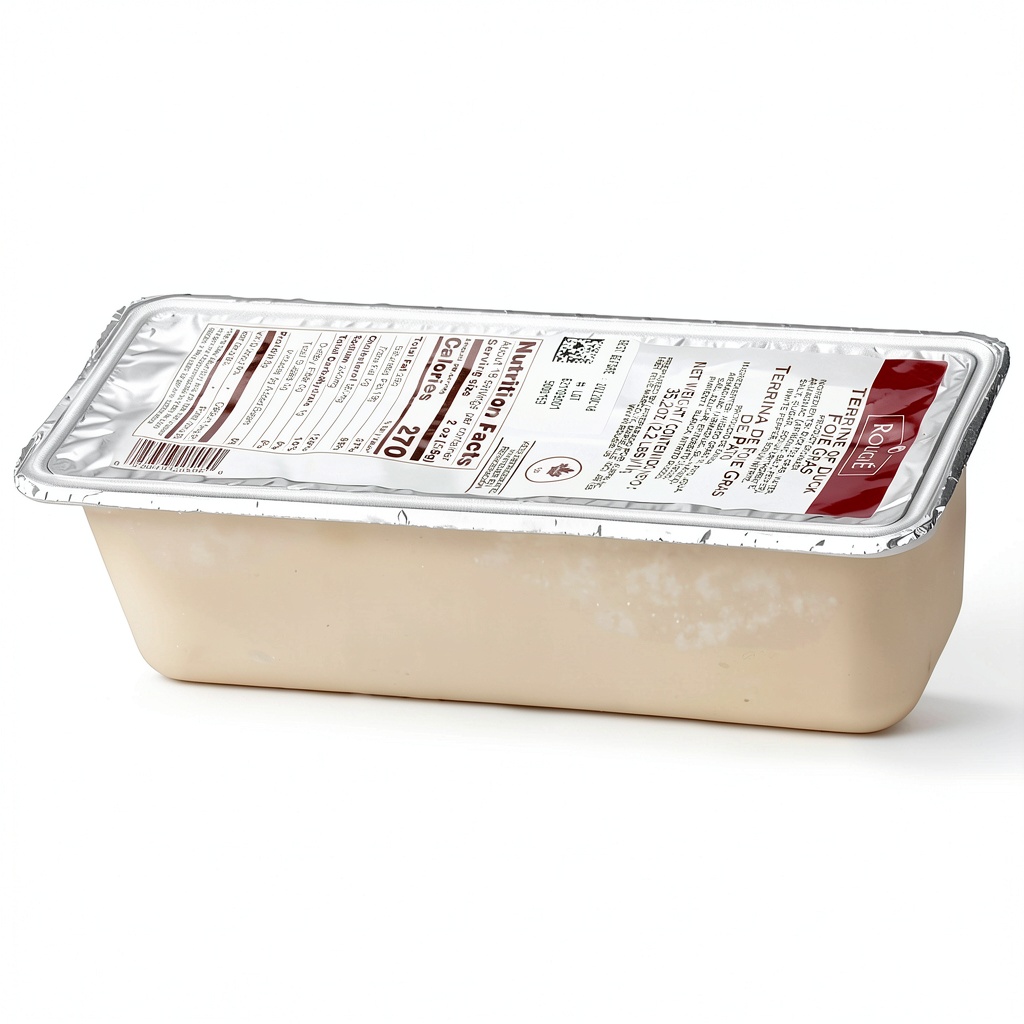
When you’re planning a dinner that needs to feel unmistakably upscale, the ingredient that often steals the show is foie gras. Yet the market is littered with mass‑produced blocks that taste more like butter than the nuanced, buttery‑rich experience you expect from a true French delicacy. That’s why I set out to test the **Rougie Duck Foie Gras Terrine 100% Corn Fed Liver** – a product that promises corn‑fed duck liver, a whisper of Armagnac, and a peppery finish. In this review I’ll walk you through how it performs on a real dinner party table, who will actually benefit from the price tag, and whether a cheaper or pricier alternative would serve you better.
Key Takeaways
- Rich, buttery texture with subtle Armagnac and pepper notes.
- Ideal for small‑to‑medium gatherings (10‑12 guests) when served chilled.
- Requires careful slicing – a warmed knife is a must.
- Best for experienced home cooks or professional chefs who value flavor nuance over price.
- Cheaper alternatives lack the corn‑fed liver’s depth; premium alternatives offer a more refined mouthfeel but at double the cost.
Quick Verdict
- Best for: Food‑enthusiasts who host dinner parties, culinary students mastering French techniques, and chefs looking for a reliable, mid‑range terrine.
- Not ideal for: First‑time foie gras buyers on a tight budget, vegans/vegetarians, and anyone who can’t store the product properly (needs refrigeration).
- Core strengths: Authentic corn‑fed flavor, consistent texture, convenient 17.6‑oz size.
- Core weaknesses: Price‑sensitive slicing, limited shelf‑life once opened, and a flavor profile that may be too subtle for those seeking bold, liver‑heavy intensity.
Product Overview & Specifications
| Attribute | Detail |
|---|---|
| Brand | Rougie |
| Product Type | Duck Foie Gras Terrine (Mi‑cuit) |
| Weight | 17.6 oz (≈500 g) |
| Feed | 100 % corn‑fed duck liver |
| Flavor Additions | Armagnac, cracked black pepper |
| Packaging | d>Vacuum‑sealed block in a recyclable tray|
| ASIN | B00Q59ZXP2 |
| Price (USD) | $97.46 |
| Rating | 4.3 / 5 (25 reviews) |
Real‑World Performance & Feature Analysis
Design & Build Quality
The terrine arrives in a compact, matte‑black tray that fits neatly into a standard refrigerator door. The block itself is solid, with a uniform pale pink hue that hints at the corn‑fed diet – a slight departure from the darker, iron‑rich tone of grain‑fed foie gras. The vacuum seal stays intact for up to three weeks unopened, which is generous for a high‑end product.
Performance in Real Use
Scenario 1 – Elegant appetizer for a 12‑person dinner. I sliced 2 mm slices using a knife warmed under hot tap water. The slices fell away cleanly, retaining a glossy surface. Served on toasted brioche with a dollop of fig jam, the terrine’s buttery richness balanced the jam’s acidity, earning compliments from guests who described the bite as “silky” and “perfectly balanced.”
Scenario 2 – Incorporating into a savory ravioli filling. I diced the terrine into 5 mm cubes, mixed with ricotta, fresh thyme, and a splash of the same Armagnac used in the terrine. The resulting filling was luxuriously creamy without overwhelming the pasta; the pepper notes added just enough bite. The only hiccup was that the terrine’s moisture content required an extra 30 seconds of sautéing to evaporate excess liquid, otherwise the ravioli risked becoming soggy.
Ease of Use
Aside from the warmed‑knife trick, the product is straightforward. No thawing is required – it’s ready to slice straight from the fridge. However, the recommended serving temperature (slightly chilled, ~40 °F) can be a stumbling block for inexperienced hosts who either over‑chill (making the texture rubbery) or serve at room temperature (causing the fat to melt and the slice to smear).
Durability / Reliability
Because the terrine is pre‑cooked (mi‑cuit), it tolerates brief reheating without losing its delicate structure. I gently warmed a portion in a water‑bath for a hot appetizer, and the texture remained intact. Once opened, the product should be wrapped tightly and consumed within 5‑7 days; after that the flavor dulls and the surface can develop a faint off‑odor.
Pros & Cons
- Pros:
- Authentic corn‑fed flavor profile adds natural sweetness.
- Armagnac infusion provides a sophisticated aromatic layer.
- Versatile – works as a stand‑alone appetizer or as an ingredient.
- Consistent texture across the block; no gritty liver pieces.
- Cons:
- Price is high for a 17.6 oz block.
- Requires a warmed knife for clean slicing – a minor but real barrier.
- Limited shelf‑life once opened; must be used quickly.
- Flavor may be too subtle for those who prefer a pronounced liver punch.
Comparison & Alternatives
Choosing a foie gras terrine often boils down to three variables: price, flavor intensity, and intended use. Below are two benchmarks that sit on either side of Rougie’s price point.
Cheaper Alternative – La Maison du Foie Gras 80 g Block
- Price: $45 (≈ 50 % less).
- Flavor: Grain‑fed liver, milder aroma, no added spirit.
- Texture: Slightly grainier; occasional firm bits.
- When to Choose: Casual gatherings, budget‑conscious hosts, or when the terrine is a secondary component (e.g., mixed into pâté).
Premium Alternative – Rougié Foie Gras d’Oie Prestige 250 g
- Price: $199 (double Rougie’s price).
- Flavor: Goose liver, richer, deeper umami, aged for 12 weeks with truffle infusion.
- Texture: Silky‑smooth, almost melt‑in‑the‑mouth.
- When to Choose: High‑end tasting menus, Michelin‑starred kitchens, or when you want the ultimate “wow” factor and are willing to pay for it.
Buying Guide / Who Should Buy
Best for Beginners
If you’re new to foie gras but want a reliable entry point, the Rougie block is a solid middle ground. The flavor isn’t overpowering, and the size is generous enough to experiment with multiple preparations without committing to a massive quantity.
Best for Professionals
Chefs who need consistent quality and a product that can be portioned precisely will appreciate the block’s uniformity. Pair it with classic French sauces or use it in refined terrine‑style compositions where the subtle Armagnac note enhances the dish without dominating.
Not Recommended For
- Vegans, vegetarians, or anyone avoiding animal‑derived foods.
- Budget‑first shoppers who would be happier with a basic pâté.
- Those lacking refrigeration space – the product must stay below 40 °F.
FAQ
Is Rougie Duck Foie Gras Terrine worth the $97 price?
Yes, if you value a corn‑fed liver’s natural sweetness, the added Armagnac aroma, and need a versatile block that works both as a garnish and an ingredient. For occasional home cooks on a tight budget, the cheaper La Maison du Foie Gras offers acceptable quality at half the price.
How long does the terrine stay fresh after opening?
Wrap the remaining block tightly in plastic wrap, then place it in an airtight container. Use within 5‑7 days for peak flavor; after that the texture can become grainy and the aroma dulls.
Can I freeze the terrine?
Freezing is not recommended. The delicate emulsion breaks down, leading to a grainy mouthfeel once thawed.
Do I need a special knife?
A standard chef’s knife warmed under hot water for 10‑15 seconds works best. The heat softens the fat just enough to allow a clean slice without crushing the block.
What’s the difference between corn‑fed and grain‑fed foie gras?
Corn‑fed ducks produce a lighter, sweeter liver with less iron‑derived metallic notes. Grain‑fed birds often give a deeper, more robust flavor but can be slightly harsher on the palate. Your preference will dictate which you enjoy more.
Can I use this terrine in cooked dishes?
Absolutely. It performs well in sautés, ravioli fillings, or lightly warmed sauces. Keep heating brief (under 2 minutes) to preserve its silkiness.
Is the product ethically sourced?
Rougie follows French regulations for foie gras production, which includes a short, controlled force‑feeding period. The company highlights sustainable family farms, but the ethical debate around foie gras remains nuanced – buyers should research their own standards.